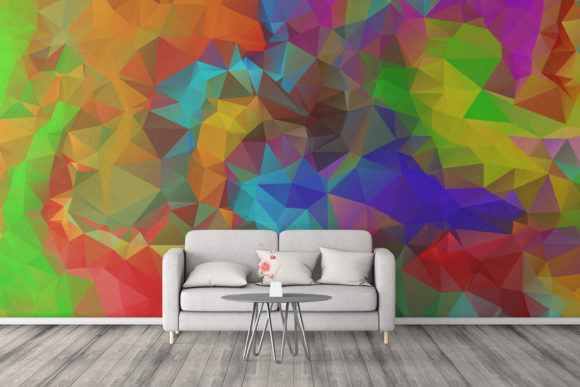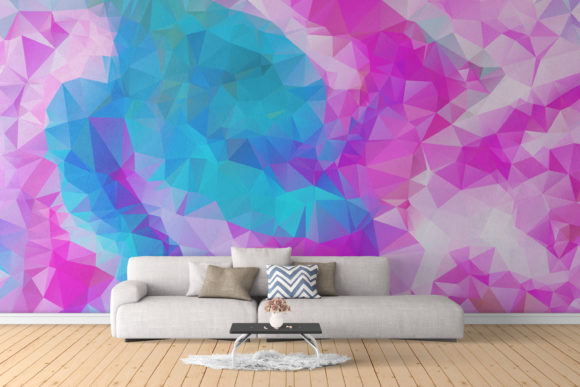
Low Poly Background: A Designer's Real-World Review
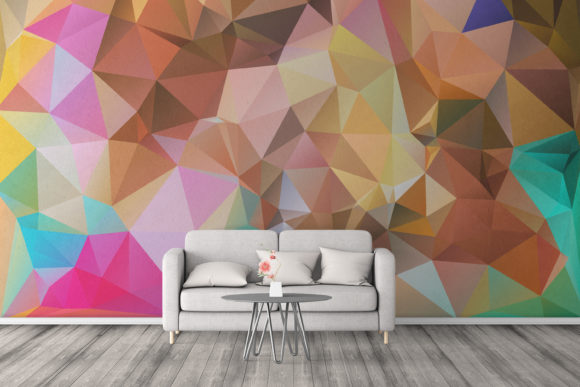
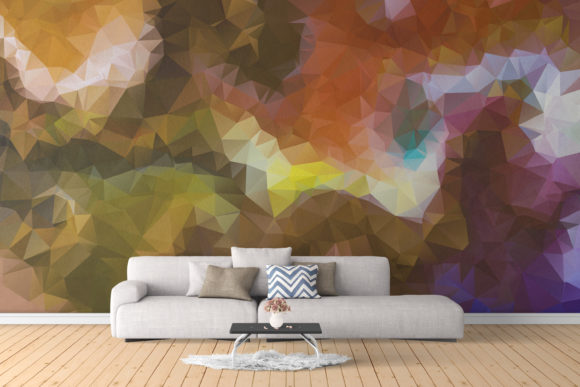
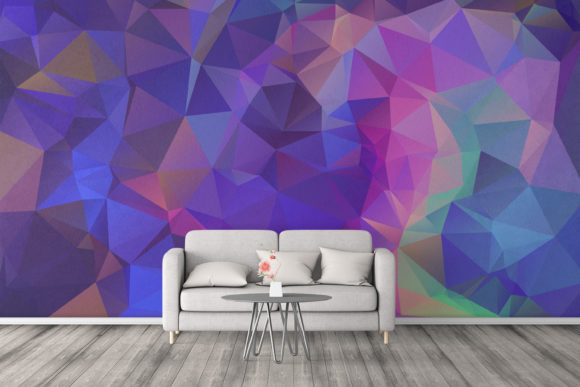
When I first opened the file for Low Poly Background, my immediate thought wasn't about the technical specifications, but rather how it would feel under a needle. As someone who has spent years reviewing embroidery files and crafting custom goods for clients, I know that a "background" isn't just empty space; it sets the stage for the entire piece. This abstract design, with its crystal-like structure and data science aesthetic, offers a modern, geometric vibe that feels distinct from the traditional floral or script motifs we often see in machine embroidery.
The visual personality of this graphic is sharp and contemporary. It screams "tech-forward" yet maintains an artistic flair that works beautifully in both high-end boutique items and casual handmade gifts. The polygonal vector background creates a sense of depth without relying on complex shading, which is a crucial detail for stitch clarity. If you are looking to elevate your custom apparel or create a standout embroidered patch, this design offers a sophisticated foundation that can anchor more intricate elements without overwhelming them.
From Screen to Stitch: A Practical Scenario
Let me walk you through a real-life scenario where I decided to test Low Poly Background. I was preparing a limited run of tote bags for a local tech startup client who wanted something less corporate and more creative. They needed a design that felt like a nod to their industry—data, connections, structure—but soft enough to be wearable. The standard logo placement felt too stiff, so I experimented with using this low poly graphic as a full-field background behind their monogram.
The result was striking. The 3D image technology vector background translated surprisingly well into thread. Because the design relies on connection structures and polygons, the fill stitches created a mosaic effect that caught the light differently than a solid block of color. When I held up the finished tote bag design, the customers didn't just see a logo; they saw texture. The geometric shapes gave the impression of a crystalline surface, adding a layer of perceived value to what could have been a plain canvas bag.
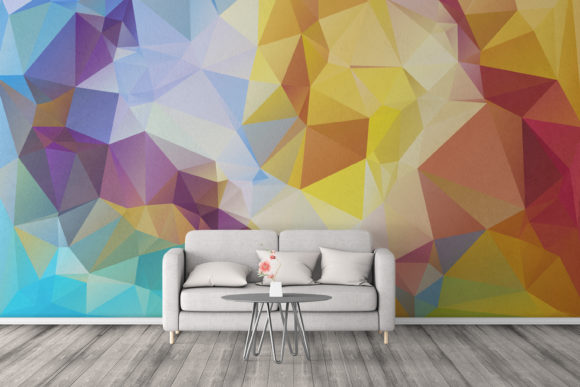
This kind of project is perfect for Etsy sellers or small shop product owners looking to differentiate their inventory. Imagine a sweatshirt embroidery line where each hoodie features a different color variation of this background, allowing buyers to choose between a cool blue data theme or a warm amber crystal look. The ability to change the color while keeping the same 3D image technology vector background means you can offer customization without needing to re-digitize every single file. For a craft business owner, this flexibility is gold.
Where This Design Shines
Low Poly Background excels in projects that benefit from a structured, modern aesthetic. Its clean lines and defined angles make it ideal for commercial embroidery work where brand consistency is key. Whether you are creating digital product previews for a mockup or stitching a physical item, the geometry holds up well against various fabric textures.
- Pillow Covers and Home Decor: The abstract nature of the design fits seamlessly into nursery decor or modern living rooms. The polygonal vector background adds visual interest to a throw pillow without feeling cluttered, making it a great choice for holiday gifts or wedding gifts.
- Kitchen Towels and Aprons: For the culinary enthusiast, this design brings a sleek, architectural touch to kitchen linens. The "connection structure" theme pairs wonderfully with the idea of bringing ingredients together, making it a unique option for handmade product lines.
- Baby Embroidery: While bold, the geometric shapes can be softened with pastel thread colors. It works exceptionally well for gender-neutral baby blankets or onesies, offering a design that grows with the child rather than feeling like a temporary trend.
- Craft Fair Products: In a sea of floral designs, Low Poly Background stands out. Visitors at craft fairs are drawn to unique textures, and the interplay of light on the satin stitch fill creates a shimmering effect that draws attention to your booth.
Navigating the Challenges
However, not every design is a universal fit, and as an experienced reviewer, I need to be honest about where Low Poly Background requires caution. The very features that make it visually appealing—the density of the polygons and the sharp corners—can present challenges depending on your setup.
If you are working with a small hoop size, be wary of the smaller details. Tiny polygonal corners can sometimes get lost in the stitching process if the resolution isn't high enough or if the fabric pulls too much during embroidery. Similarly, textured fabrics like heavy waffle-knit towels or loose-weave linen might struggle to hold the crisp definition of the vector data science background. The threads may sink into the weave, blurring the sharp edges that give the design its character.
Stretchy fabrics, such as jersey knits used for t-shirts or caps, require extra care. The rigid nature of the low poly shape does not stretch well with the fabric. If you attempt to embroider this directly onto a curved surface like a baseball cap without proper stabilizer and tension adjustments, the design may pucker or distort, ruining the geometric integrity. For embroidery projects involving dark fabric, ensure you have sufficient underlay to prevent the background from showing through the top layers, which can muddy the intended color palette.
Furthermore, products that need frequent washing, like daily-use aprons or kids' clothing, demand robust construction. High-density fill areas, which this design likely utilizes to achieve its 3D look, can become stiff and uncomfortable if not balanced correctly. Always inspect small details and test the durability of the stitches before mass-producing personalized gifts.
Designer Notes for Success
To get the most out of this machine embroidery design, I recommend a few practical steps before you commit to your final project. First, always test the design on scrap fabric that matches your intended material. This allows you to check thread color contrast and review stitch density without risking a customer order.
Pay close attention to the stabilizer choice. For a design with a strong structural theme like this, a cut-away stabilizer is often superior to tear-away, especially for woven fabrics, as it provides long-term support for the dense fill stitches. If you are unsure about the specific requirements, verify the file formats and recommended settings provided by the creator, as these details are critical for achieving the intended 3D effect.
Don't forget to test your design in black and white mockups. Sometimes, a color combination looks vibrant on screen but lacks the necessary contrast when converted to thread. Comparing light and dark fabric backgrounds will help you determine the best thread palette to maintain the clarity of the graphics. Also, confirm whether the licensing terms allow for commercial use if you plan to sell the finished items or include this in your design assets library.
Ultimately, Low Poly Background is a versatile tool for the modern embroiderer. It bridges the gap between digital art and tactile craft, offering a fresh perspective on what a background can be. By understanding its strengths and respecting its limitations, you can transform a simple vector file into a stunning finished product that elevates your brand and delights your customers.