3d Cubes Pen Graphics for Modern Logos and Content
In the world of digital publishing, the difference between a casual blog post and a professional editorial piece often comes down to visual communication. As someone who has spent years designing layouts for high-traffic content sites, I know that readers form an opinion about your credibility within seconds. That is why selecting the right graphic design asset is critical. Recently, I evaluated a specific template called 3d Cubes Pen to see if it could elevate our content strategy, and the results were surprisingly compelling for a variety of publishing workflows.
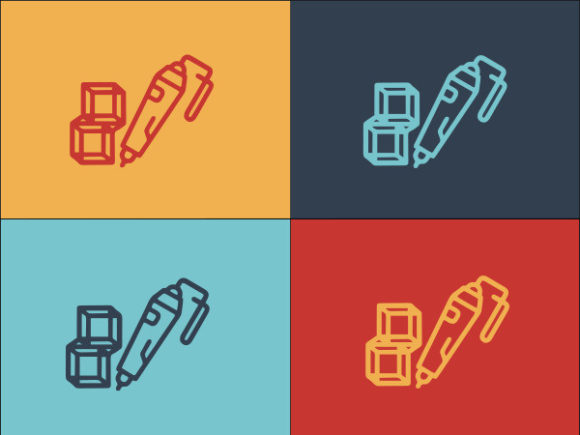
The moment you open the file, 3d Cubes Pen presents itself as an elegant, modern, versatile, and stylish design. It immediately establishes a mood that feels both playful and structurally sound. Unlike many generic icons that feel flat or corporate, this logo template possesses a dynamic depth that suggests innovation and forward-thinking. For a digital publisher, this translates to a sense of trust and polish. It does not scream "cheap template"; instead, it whispers "professional brand." This makes it particularly suitable for niches that blend creativity with structure, such as educational platforms, creative entrepreneurship blogs, tech reviews, or lifestyle brands looking for a sophisticated edge.
Integrating Visual Assets into Real Publishing Workflows
When I approached this review, I did not just look at the isolated image; I simulated how 3d Cubes Pen would perform in a live content environment. Imagine a blogger preparing a week's worth of content. They need featured images for their latest article on productivity hacks, a Pinterest pin to drive traffic to a new digital guide, and a banner for their newsletter header. In this scenario, the versatility of 3d Cubes Pen becomes its strongest selling point.
The asset is easy to customize and ready to print, which is a crucial feature for publishers who juggle multiple formats. Because the file includes SVG compatibility alongside support for Inkscape, Gravit Designer, and Adobe Photoshop, the workflow remains seamless. You can scale the 3d Cubes Pen from a tiny favicon to a massive website header without losing any resolution. This scalability ensures that your brand identity remains consistent whether a user sees it on a desktop monitor or a mobile phone screen.
I tested the template by placing it alongside serif fonts for an academic tone and sans-serif fonts for a modern tech vibe. The result was a harmonious balance. The geometric nature of the cubes pairs beautifully with clean typography, creating a clear visual hierarchy that guides the reader's eye naturally through the page. Whether you are designing category thumbnails, downloadable worksheets, or eBook covers, this design asset provides a cohesive anchor for your content marketing efforts.
Boosting Performance Through Editorial Design
Visuals are not merely decorative; they are functional tools that influence user behavior. A well-designed graphic can significantly improve click-through potential and reader engagement. By incorporating 3d Cubes Pen into your site's visual system, you create stronger category recognition. When a visitor sees a consistent, high-quality icon associated with a specific topic, they are more likely to trust the content within that section.
This is especially vital for affiliate marketers and online educators. When promoting digital products or lead magnets, the cover art must stand out in a crowded feed. The modern design aesthetic of 3d Cubes Pen helps your graphics pop against busy backgrounds, ensuring that your message is not lost in the noise. Furthermore, the ability to use this asset in social media graphics and digital ads means you can maintain a unified look across all channels, reinforcing your small business branding every time a user interacts with your content.
The template's readiness for print also opens doors for physical collateral. If you decide to create a media kit for sponsors or printable design resources for your audience, the high-resolution output ensures that your materials look crisp and professional. This attention to detail signals to your audience that you value quality, which in turn enhances your reputation as a reliable source of information.
Strategic Placement and Contextual Considerations
While 3d Cubes Pen is a powerful tool, it is important to deploy it strategically. There are specific areas where this design excels and others where caution is required. For hero images, article thumbnails, and Pinterest pins, the three-dimensional aspect of the cubes adds a layer of interest that flat icons cannot match. It serves as an excellent editorial accent that draws the eye without overwhelming the text.
However, there are scenarios where you should use this asset carefully. On small mobile thumbnails, complex 3D elements can sometimes become indistinct when scaled down. In these cases, simplifying the background or ensuring high contrast is essential. Similarly, if you are writing for a serious professional niche, such as legal advice or medical journals, the playful nature of the cubes might feel slightly too informal. In those contexts, you might prefer a more minimal visual system or a monochromatic version of the design.
Additionally, avoid placing the graphic on low-contrast backgrounds or busy layouts where it might get lost. The elegance of the design relies on breathing room. If your website layout is already cluttered with heavy text and multiple competing images, adding another bold graphic element could disrupt the flow. Always test the placement to ensure it supports the content rather than distracting from it.
Essential Publisher Notes for Implementation
To get the most out of 3d Cubes Pen, I recommend following a few practical steps before going live. First, test the asset on various devices to ensure it renders correctly on both desktop and mobile screens. Check how it looks specifically as a thumbnail, as this is often the first point of contact for your audience. Preview the design inside a real blog layout to see how it interacts with your existing color palette and typography.
Contrast and readability are paramount. Try rendering the graphic in black and white to verify that the shapes remain distinct without color cues. Place it beside different font styles—script, handwritten, display, and standard sans-serif—to find the perfect pairing that reflects your brand voice. Don't forget to review the file size for web performance; even though SVG files are lightweight, always compress your final PNG exports properly to keep your site fast.
Finally, confirm your commercial license before using 3d Cubes Pen on monetized websites, affiliate pages, or paid content products. Understanding the terms of your commercial design usage protects you and ensures you can leverage the asset fully for your creative marketplace needs. With the right preparation, this logo template can transform your digital presence, turning a simple blog into a polished, trustworthy publication that stands out in the competitive digital landscape.